Logistics and transportation: RPA and AI for business
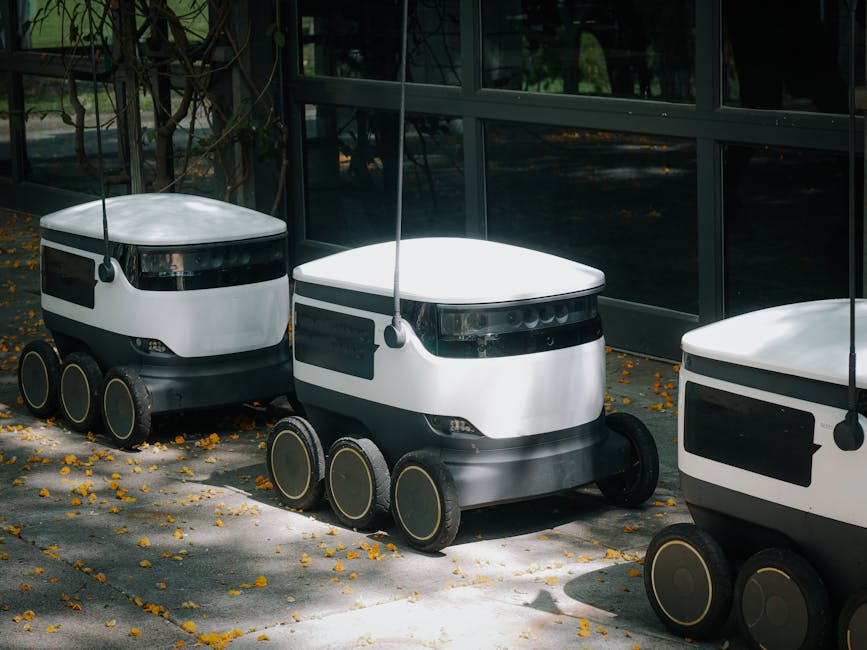
The integration of Robotic Process Automation (RPA) with Artificial Intelligence (AI) is revolutionizing the logistics and transportation sector. These technologies are redefining operational efficiency and improving the customer experience in an increasingly competitive business environment.
Why RPA with AI Matters
Automation and intelligence are key pillars in optimizing logistics processes. RPA with AI not only reduces operating costs but also enables companies to adapt quickly to market demands and improve customer satisfaction.
70% of companies that implement RPA with AI report an increase in operational efficiency.
Areas of Impact
Below are the areas where this synergy is having a significant impact:
Intelligent Task Automation
RPA makes it possible to automate repetitive, rule-based tasks such as data entry and invoicing.
Route Optimization and Fleet Management
AI analyzes large volumes of data to optimize delivery routes and manage fleets more efficiently.
Inventory and Warehouse Management
Combining RPA and AI ensures real-time monitoring of stock levels and demand forecasting.
Intelligent Task Automation
RPA makes it possible to automate repetitive, rule-based tasks, such as:
- Data entry
- Invoicing
- Shipment tracking
By incorporating AI, these processes become smarter, enabling real-time decision-making and adapting to changing situations. For example, AI-powered chatbots can handle customer inquiries and resolve issues without human intervention.
Route Optimization and Fleet Management
AI can analyze large volumes of data to:
- Optimize delivery routes
- Manage fleets more efficiently
Machine learning algorithms can predict traffic patterns and adjust routes in real time. This not only improves on-time delivery but also contributes to environmental sustainability.
Inventory and Warehouse Management
Combining RPA and AI enables more accurate and efficient inventory management, notably through:
- Real-time monitoring of stock levels
- Forecasting of future demand
- Automatic product reordering
In addition, warehouse robots can perform picking and packing tasks, which reduces errors and improves the productivity of logistics operations.
Predictive Analytics and Preventive Maintenance
AI can analyze historical and current data to:
- Predict equipment and vehicle failures
- Implement preventive maintenance
This reduces downtime and repair costs, keeping logistics operations running smoothly. IoT sensors built into vehicles and machinery provide real-time data for continuous monitoring.
Improving the Customer Experience
Automation with RPA and AI also improves the customer experience through:
- Real-time tracking systems
- Automatic notifications on shipment status
- Service personalization based on data analysis
This can increase customer satisfaction and loyalty, both key to staying competitive in the market.
Conclusion
The integration of RPA with AI in the logistics and transportation sector is transforming the way companies operate. This technology not only optimizes processes and reduces costs but also offers innovative solutions to improve efficiency and customer satisfaction.
Related articles
Topic:Artificial intelligence